

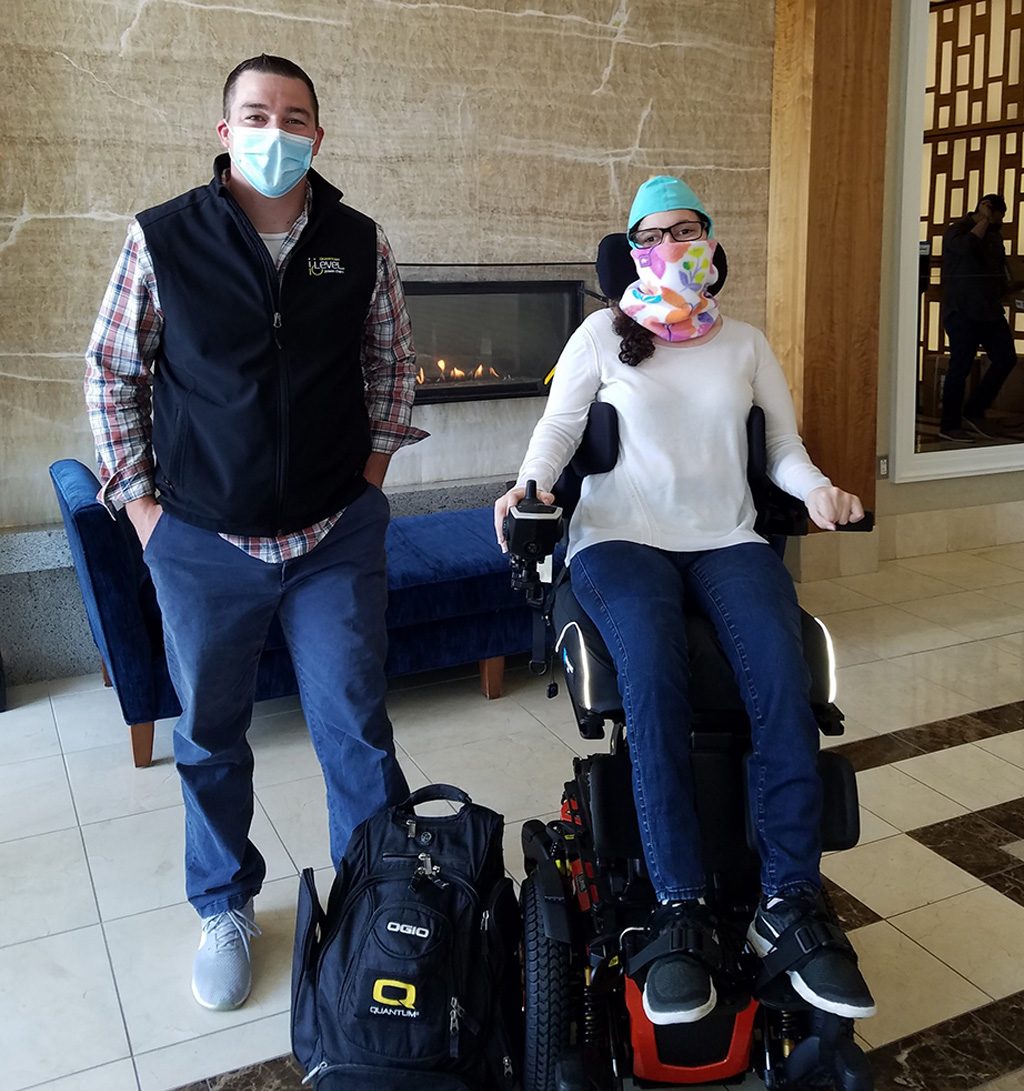
Improving home accessibility is crucial for individuals with mobility challenges, as it directly impacts independence, safety, and overall quality of life. With the right support, navigating daily routines becomes easier and more comfortable. Understanding mobility solutions can help families and caregivers access specialized equipment, ensuring that homes are safer and more accommodating. This guide explores key strategies, device options, and insurance considerations for creating an accessible living environment.
The Significance of Home Mobility
Home mobility is more than a convenience; it is essential for independence and safety. Properly equipped spaces prevent accidents, reduce caregiver stress, and enhance mental well-being. Devices such as manual wheelchairs, power chairs, and custom seating systems allow users to move freely and participate fully in household activities. A well-planned home environment supports physical health, increases confidence, and promotes social engagement.
Understanding Mobility Solutions
Mobility solutions encompass a range of adaptive devices and modifications designed to meet individual needs. Wheelchairs, ramps, handrails, and adjustable furniture are common examples. Insurance coverage often plays a key role in making these solutions accessible. Coverage can include equipment like:
- Manual and power wheelchairs
- Custom seating and positioning systems
- Adjustable cushions and supports
- Specialized controls for power chairs
By combining professional guidance with insurance options, users can access equipment tailored to their medical requirements and home environment.
Types of Wheelchair Options
Choosing the right mobility device requires careful evaluation. Common options include:
Manual Wheelchairs
Manual wheelchairs are lightweight and suitable for users who can propel themselves or with the help of a caregiver. They are often more cost-effective and easier to maintain.
Power Wheelchairs
Power wheelchairs offer advanced functionality for users with limited strength or mobility. Features such as tilt, recline, and elevating seats enhance comfort and independence.
Customized Wheelchairs
A customized wheelchair is designed to meet the unique needs of the user. Adjustments to seat width, backrest, cushions, and controls ensure optimal posture, pressure relief, and maneuverability. Custom solutions are particularly beneficial for individuals with complex medical requirements or specific home accessibility challenges.
Insurance Considerations for Mobility Devices
Insurance coverage significantly impacts the affordability and accessibility of mobility solutions. Various options include:
- Medicare and Medicaid: Provide coverage for qualifying devices, often including custom seating options. Coverage may vary by state.
- Private Insurance: Plans from providers such as Blue Cross Blue Shield, Humana, or Cigna may cover standard and specialized wheelchairs.
- Employer-Sponsored Plans: Some workplaces offer benefits that partially or fully cover mobility equipment.
- Veterans and Military Programs: TRICARE and similar programs support veterans and active-duty personnel with mobility needs.
Understanding available coverage ensures users receive the most suitable device while minimizing out-of-pocket costs.
Choosing the Right Device
Selecting the ideal mobility device depends on factors such as:
- Functionality: Assess whether tilt, recline, or standing capabilities are required.
- Home Accessibility: Consider door widths, floor surfaces, ramps, and available space for maneuvering.
- User Comfort: Seat cushioning, back support, and ergonomic adjustments prevent discomfort or injury.
- Future Adaptability: Insurance may cover upgrades or additional features as needs evolve.
Partnering with professionals ensures a proper assessment, fitting, and adjustment of the device for maximum benefit.
The Role of Professionals
Assistive Technology Professionals and therapists play a key role in evaluating and fitting mobility devices. Their expertise ensures:
- Accurate assessment of mobility requirements
- Proper fitting and configuration of equipment
- Training on device use and maintenance
- Ongoing support and service
This guidance reduces risk, improves comfort, and maximizes the utility of mobility devices in the home.
Enhancing Home Accessibility
Wheelchairs are central to mobility, but additional home modifications enhance safety and independence:
- Installing ramps and grab bars
- Widening doorways for easier access
- Adaptive kitchen and bathroom designs
- Smart-home automation for lighting and doors
Combining mobility devices with home modifications creates a fully supportive environment that allows users to live more independently.
Overcoming Challenges
Common challenges include navigating insurance paperwork, delays in approvals, and coverage limitations. Working with knowledgeable professionals and certified suppliers helps mitigate these issues, ensuring that devices are delivered promptly and meet individual needs. Exploring financing options alongside insurance may help cover upgrades or specialized features not fully included in a plan.

Maximizing Benefits
To make the most of available mobility solutions and coverage:
- Confirm Coverage: Verify what your insurance plan includes.
- Use Certified Providers: Authorized suppliers streamline approval and delivery processes.
- Document Medical Necessity: Proper documentation ensures approval for custom or advanced equipment.
- Explore Upgrade Options: Understand which features or adjustments are covered to optimize mobility.
These steps ensure users can access devices that improve comfort, independence, and quality of life.
Conclusion
Enhancing home accessibility is a transformative step for individuals with mobility challenges. Leveraging mobility solutions and working with insurance providers ensures access to high-quality, customized equipment that fits both medical needs and home environments. Proper assessment, professional fitting, and supportive home modifications create a safe and empowering living space. Eclipse Mobility provides expert guidance from evaluation to long-term maintenance, helping users achieve independence and confidence.
By investing in mobility solutions and home adaptations, families can create an environment that supports safety, comfort, and freedom. Eclipse Mobility remains dedicated to delivering reliable, customized, and effective solutions for every stage of mobility improvement.