

Angiogenesis, the process by which new blood vessels form from existing vasculature, is a critical component of tissue repair and regeneration. Understanding the molecular mechanisms that regulate this process has important implications for research into wound healing, tissue engineering, and various disease conditions characterized by dysregulated angiogenesis.
BPC-157 peptide is one of several research compounds used to investigate angiogenic pathway activity in preclinical and in vitro settings. Its involvement in signaling pathways related to mucosal protection and tissue repair makes it a useful tool for studies aimed at understanding how tissues coordinate repair responses.
Angiogenic Mechanisms in Tissue Repair
When tissue is damaged, one of the early requirements for effective repair is the restoration of blood supply to the damaged area. This requires the activation of angiogenic processes that recruit endothelial cells, stimulate their migration and proliferation, and coordinate the organization of new vessel structures.
Multiple signaling pathways contribute to this angiogenic response, and peptides like bpc-157 peptide allow researchers to investigate specific pathway contributions. By studying how BPC compounds modulate angiogenic markers and behaviors in cell culture systems, researchers can build a more complete picture of how tissue repair coordinates vascularization.
In Vitro Angiogenesis Models
The primary in vitro models used to study angiogenesis include:
- Endothelial tube formation assays on basement membrane extract matrices
- Endothelial cell migration assays measuring movement toward angiogenic stimuli
- Endothelial sprouting assays from spheroid cultures
- Aortic ring assays examining vessel outgrowth from tissue explants
- Endothelial proliferation assays measuring growth responses to angiogenic factors
BPC-157 can be studied in each of these model systems to investigate its effects on endothelial cell behavior and angiogenic signaling pathway activation.
TB-500 Peptide and Endothelial Cell Migration
In angiogenesis research, tb-500 peptide is particularly interesting because Thymosin beta4 has documented effects on endothelial cell migration. This direct influence on endothelial movement places TB compounds at the intersection of angiogenesis and cell migration research, which are two of the most active areas in the tissue repair biology field.
The combination of BPC pathway modulation of angiogenic signaling with TB-mediated effects on endothelial migration makes the combined bpc 157 tb 500 blend an especially informative tool for comprehensive angiogenesis research.
Anti-Inflammatory Pathways and BPC-157
Beyond angiogenesis, BPC-157 peptide research has also investigated its effects on anti-inflammatory signaling pathways. Inflammation and tissue repair are closely interlinked processes, and the anti-inflammatory activities associated with BPC compounds make them relevant to research into how repair responses are regulated in inflammatory contexts.
In vitro models of inflammation, such as cytokine-stimulated cell cultures or models of oxidative stress, provide platforms for investigating how BPC compounds influence inflammatory signaling in the context of tissue repair processes.
The BB10 Formulation and Combined Pathway Research
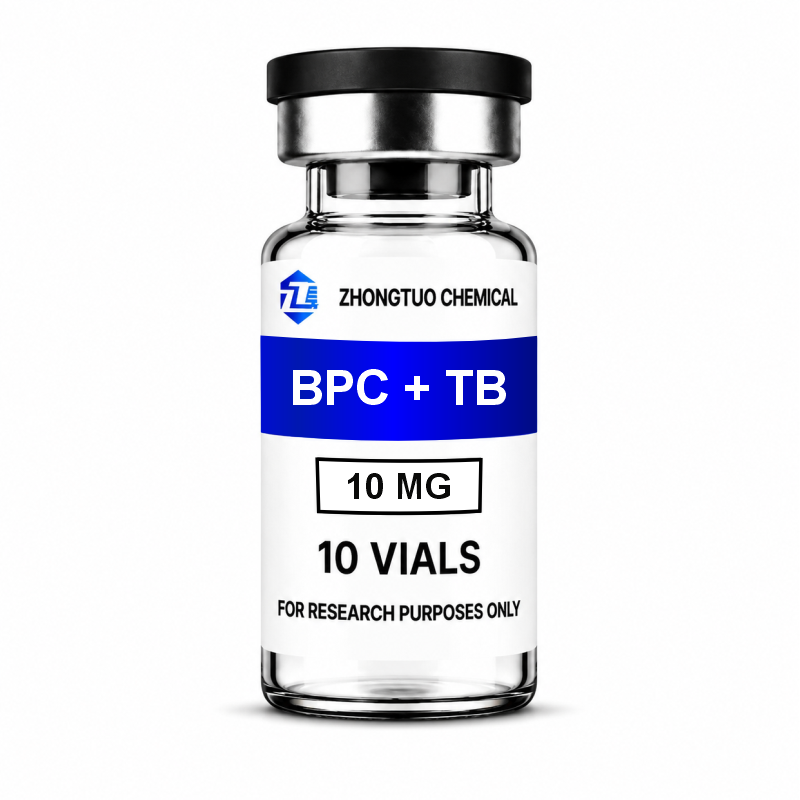
The BB10 formulation from Zlzpeptides, containing both BPC-related peptides and TB compound, is specifically designed to enable research into the combined angiogenic, anti-inflammatory, and tissue remodeling mechanisms of these two compound classes. This formulation is supplied at 10 mg per vial in a pack of 10 vials, providing sufficient material for extended research programs.
For research programs focused on understanding the synergistic mechanisms of tissue repair, having both BPC and TB compounds available in a single, well-characterized formulation simplifies experimental design and ensures consistent relative concentrations across studies.
Quality Standards Supporting Angiogenesis Research
Angiogenesis research often involves sensitive and variable biological assays. Tube formation and endothelial sprouting assays in particular can be significantly affected by compound impurities that alter cell behavior non-specifically. This is why sourcing BPC and TB compounds from a supplier with rigorous quality standards is especially important in this research context.
Zlzpeptides ensures their BB10 formulation meets stringent purity standards and provides batch-specific documentation to verify compound quality. Their commitment to trust and scientific accuracy in their products directly supports the kind of clean, interpretable data that angiogenesis research requires.
Conclusion
BPC-157 peptide and TB-500 peptide each contribute important tools to angiogenesis and tissue repair research. Together, in the BB10 blend from Zlzpeptides, they enable synergistic pathway research that cannot be conducted as effectively with either compound alone. For researchers investigating the coordinated mechanisms of tissue repair and angiogenesis, this combined formulation represents an outstanding research resource.